What Is an AI Receptionist? A Complete Guide for Small Businesses
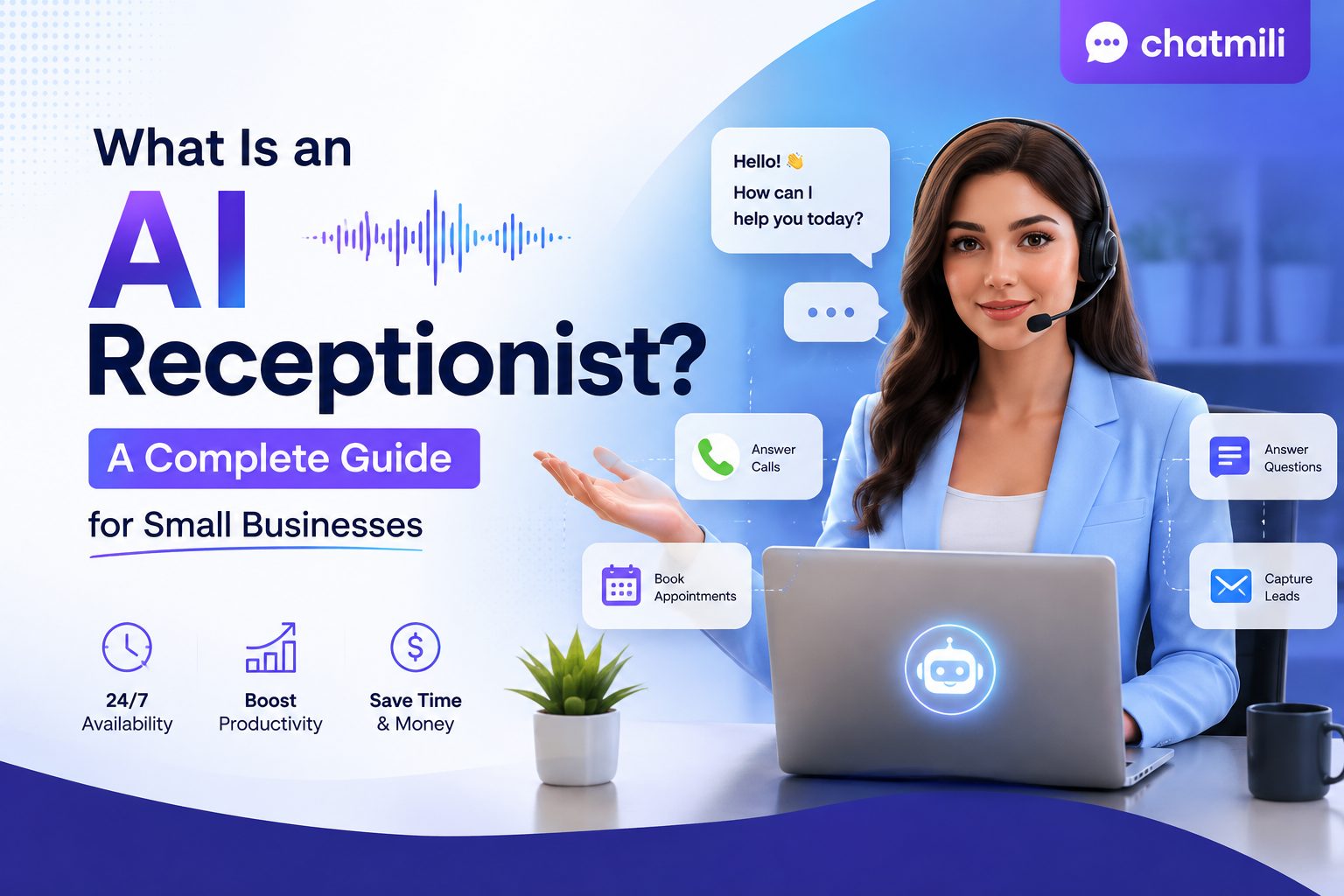
Every missed message is a customer who might just message your competitor next. That's the problem an AI receptionist is built to solve — a software assistant that answers your customers the moment they reach out, on whichever channel they already use, without needing a person at the keyboard.
Unlike a traditional receptionist, it doesn't take lunch breaks, doesn't need holidays off, and doesn't get overwhelmed when five people message at once.
How an AI receptionist actually works
At its core, an AI receptionist is a large language model connected to three things specific to your business:
- Your knowledge — product details, service hours, pricing, policies, FAQs — usually uploaded as documents or pasted text.
- Your tools — the ability to check calendar availability, book an appointment, search your product catalog, or place an order.
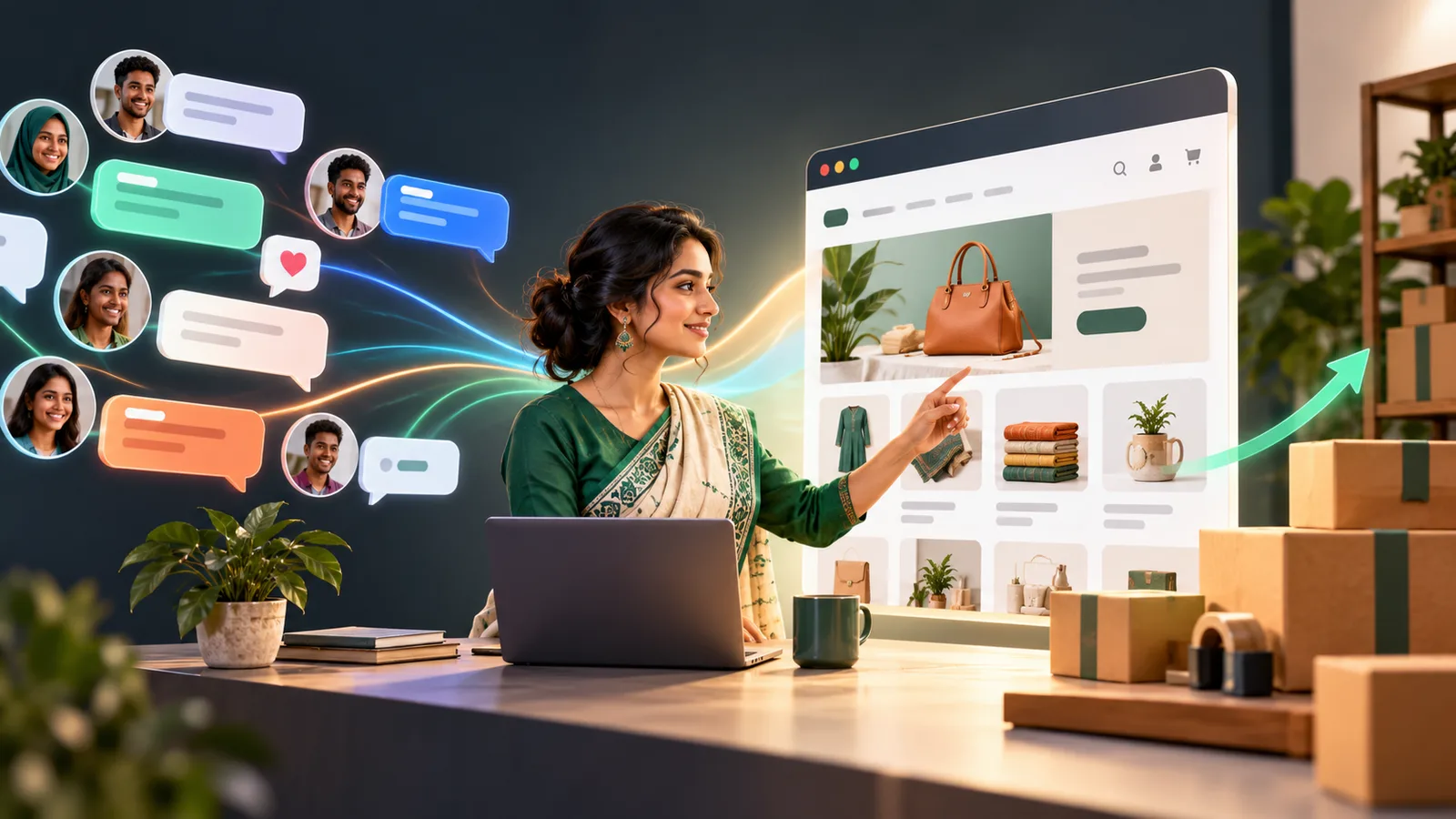
- Your channels — the website chat widget, WhatsApp, Telegram, email, Instagram, Messenger, or Discord, wherever your customers already message you.
When a customer asks a question, the AI reads your knowledge base, decides whether it needs a tool (like checking calendar availability), and replies in your business's voice — instantly, any hour of the day.
What it can (and can't) do
A good AI receptionist can:
- Answer repetitive questions instantly — hours, pricing, location, policies
- Book and reschedule appointments directly into your calendar
- Qualify a lead by asking the right follow-up questions before a human ever sees it
- Search your product catalog and place simple orders
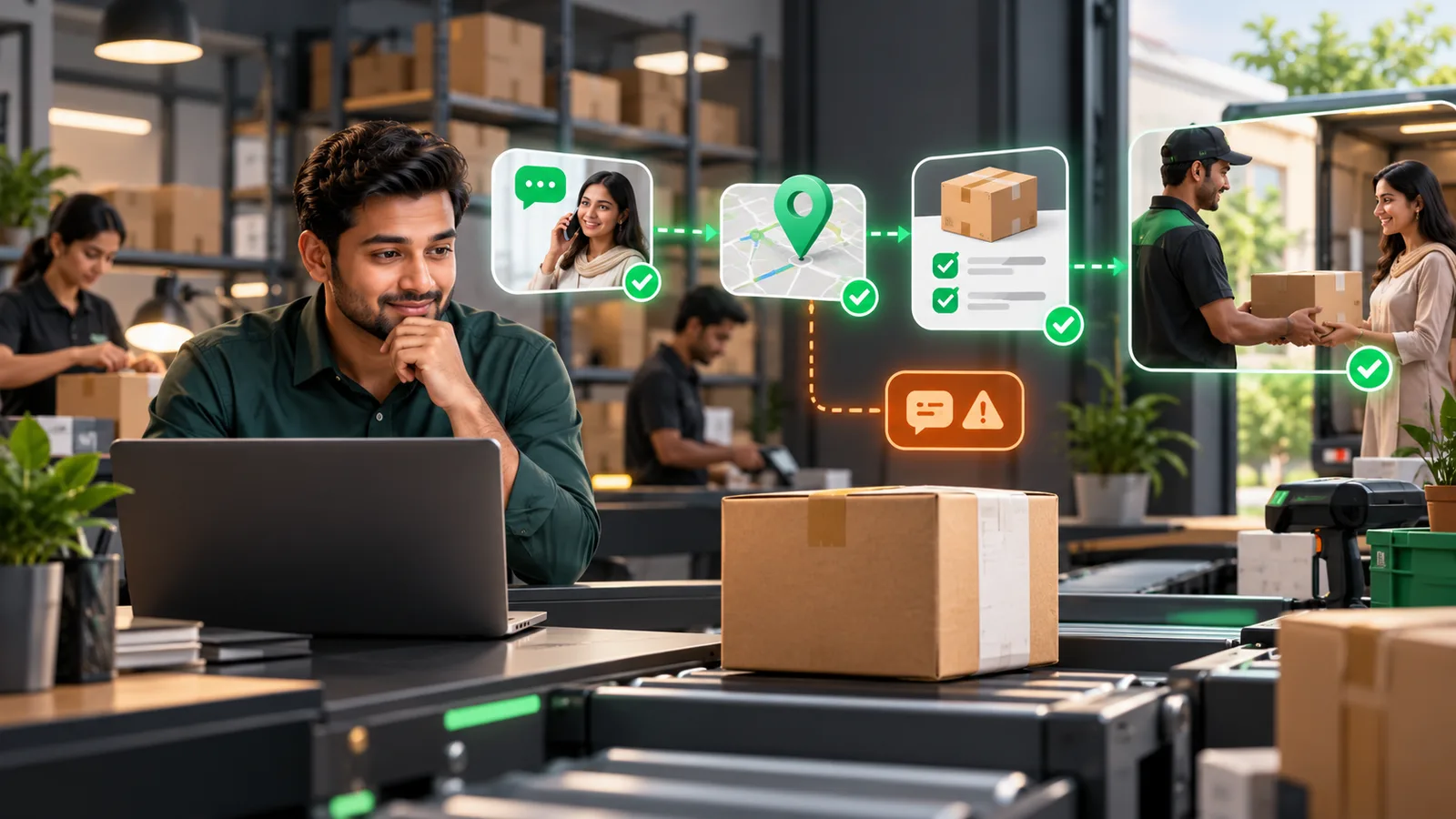
- Hand off to a real team member the moment a conversation needs a human judgment call
It's not a replacement for your team on complex, emotional, or high-stakes conversations — the best setups use AI for the repetitive 80% and free your team for the 20% that actually needs a person.
Why small businesses are adopting this now
Three things changed. Customers now expect a reply in minutes, not days. Messaging apps like WhatsApp overtook phone calls as the preferred way to reach a business. And the AI behind a chatbot got genuinely good enough to hold a real conversation instead of the old rigid "press 1 for sales" chat trees.
The businesses moving fastest are the ones where a missed lead is expensive — clinics, salons, real estate agencies, restaurants, and online stores — anywhere a five-minute delay in replying can mean a lost booking.
Getting started
Setting one up no longer requires a developer. Modern platforms like ChatMili let you pick an industry-specific template, connect a channel, upload a few documents about your business, and have a working AI receptionist live in under an hour.
If you're evaluating whether this is right for your business, our guide on 10 signs your business needs an AI chatbot is a good next read — or see ChatMili's plans to get started today.