How to Stop Losing Leads to Slow Response Times
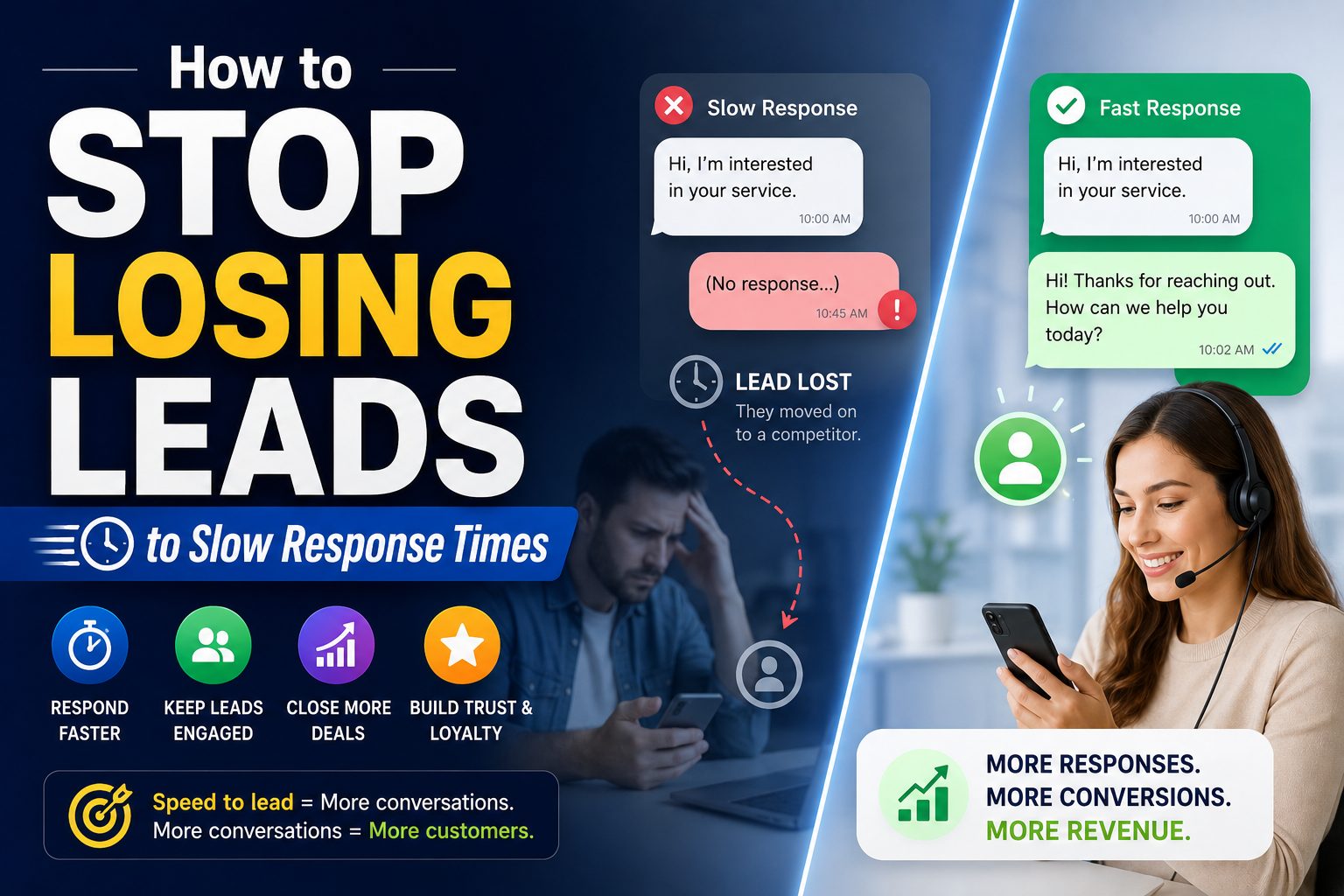
A lead that messages your business is, for a brief window, highly motivated. That window closes fast — and every hour you take to reply, the odds of them buying from someone else instead go up.
Why response time matters more than most businesses realize
When someone reaches out to multiple businesses at once (which is common for services like clinics, salons, contractors, and real estate), the first business to reply with a helpful answer often wins the customer — regardless of price or quality. Speed becomes a competitive advantage in itself.
The problem is structural, not a people problem: your team can't be awake and available every hour a customer might message, especially across time zones or after closing time.
The real cost of a slow reply
- A customer messaging at 9pm gets no reply until 10am — 13 hours where they may have already booked elsewhere
- A lead sits in an inbox for hours during a busy day, until it's easy to forget entirely
- Your team replies fast during business hours but the damage from after-hours silence has already been done
Fixing it without hiring more people
1. Answer instantly, even if it's not a full answer. An instant "here's what you need to know, and I can book you in right now" from an AI receptionist keeps a lead warm until a human is available if needed.
2. Automate the repetitive first questions. Most inbound messages ask a small set of predictable questions — hours, pricing, availability. Automating just these frees your team to focus on the leads that need real judgment. See our guide on lead qualification with AI for how to structure this well.
3. Let the AI book directly, don't just answer. If a customer wants to book an appointment, the fastest possible experience is booking it in the same conversation — not "someone will call you back to schedule." See how to automate appointment booking.
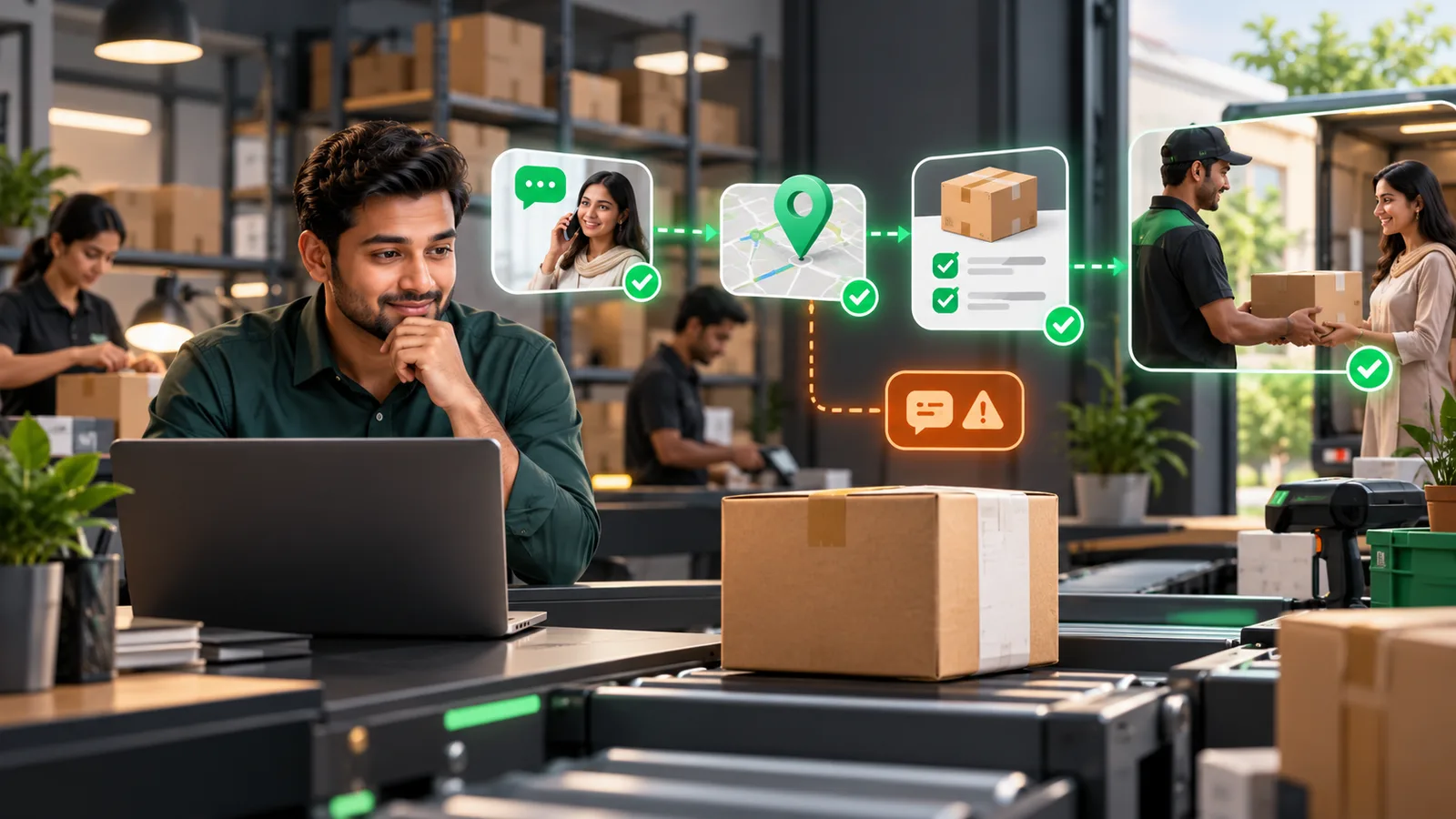
4. Cover every channel, not just your busiest one. A lead on Instagram DM deserves the same speed as one on your website chat. Consolidating channels under one AI receptionist means no channel becomes the "slow" one.
What good looks like
The businesses that fix this well aren't necessarily working harder — they've simply removed the gap between "customer sends a message" and "customer gets a useful reply," even outside working hours. An AI receptionist is the most direct way to close that gap without adding headcount.
If slow response time is costing you leads, start with your highest-volume channel — often WhatsApp or your website chat — and read our guide on WhatsApp business automation to get started, or see ChatMili's pricing.